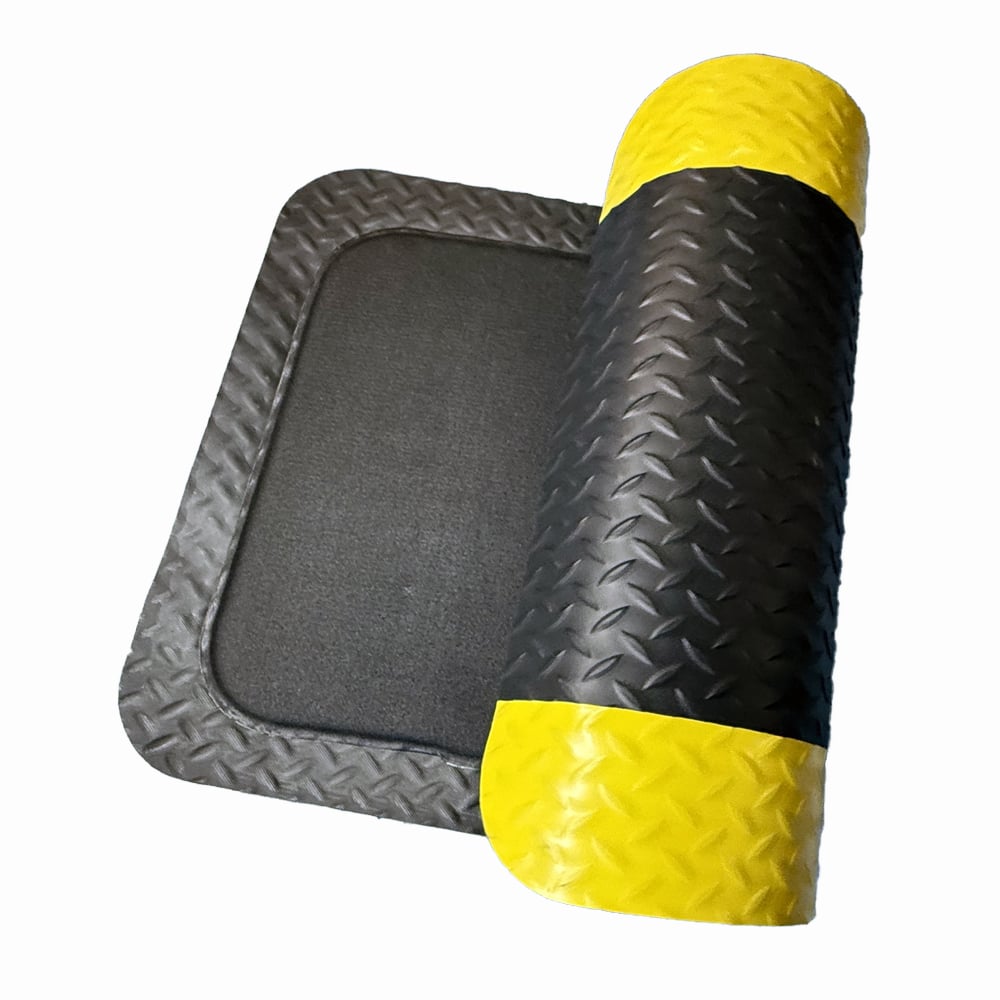
When selecting an ESD flooring system, one of the most common questions is whether to choose conductive flooring or static dissipative flooring. While both are designed to control electrostatic discharge (ESD), they serve different purposes and are suitable for different environments.
Choosing the wrong type of flooring can compromise ESD protection, affect sensitive electronic components, or result in unnecessary installation costs. Understanding the differences between these two flooring types is essential for engineers, facility managers, and purchasing professionals.
This guide explains how conductive and static dissipative flooring work, compares their electrical properties, and helps you determine which solution best fits your application.
Electrostatic discharge occurs when accumulated static electricity is suddenly transferred between two objects with different electrical potentials. Even a discharge too small for a person to feel can damage sensitive electronic devices.
Industries that commonly require ESD protection include:
Electronics manufacturing
SMT production
Semiconductor fabrication
PCB assembly
Medical device manufacturing
Aerospace electronics
Data centers
Laboratories
Cleanrooms
An effective ESD control system typically includes grounded flooring, workstations, footwear, wrist straps, and ionization equipment.
Conductive flooring is designed to transfer electrical charges to ground as quickly as possible.
According to common industry classifications, conductive flooring generally has a resistance to ground of:
10⁴ to 10⁶ ohms
Because electrical resistance is relatively low, static charges dissipate rapidly, minimizing the possibility of charge accumulation.
Rapid static charge removal
High level of ESD protection
Excellent grounding performance
Suitable for highly sensitive electronic environments
Semiconductor wafer fabrication
Chip manufacturing
High-precision electronic assembly
Military electronics
Research laboratories with extremely sensitive equipment
Static dissipative flooring removes static electricity in a slower, more controlled manner.
Typical resistance range:
10⁶ to 10⁹ ohms
Instead of discharging electricity instantly, static dissipative flooring gradually dissipates static charges, helping reduce sudden electrical discharge while maintaining a safe working environment.
This makes it the most widely used ESD flooring solution for commercial and industrial facilities.
Stable ESD performance
Comfortable for personnel
Lower risk of rapid discharge
Suitable for most electronics manufacturing environments
Cost-effective for large installations
SMT production lines
PCB assembly plants
Consumer electronics manufacturing
Medical equipment production
Automotive electronics
Warehouses handling sensitive components
| Feature | Conductive Flooring | Static Dissipative Flooring |
|---|---|---|
| Resistance Range | 10⁴–10⁶ Ω | 10⁶–10⁹ Ω |
| Charge Dissipation | Very Fast | Controlled and Gradual |
| Typical Environment | Ultra-sensitive electronics | General ESD-controlled areas |
| Installation Requirements | More stringent | Standard ESD installation |
| Cost | Generally higher | More economical |
| Common Use | Semiconductor industry | Electronics manufacturing |
Neither option is universally better—the right choice depends on your application.
You manufacture semiconductor devices.
Your products are extremely sensitive to static electricity.
Your ESD program requires the lowest possible resistance.
Your engineering specifications explicitly require conductive flooring.
You operate SMT or PCB production lines.
You manufacture consumer electronics.
You need reliable ESD protection for daily production.
You want the best balance between performance and cost.
For most electronics manufacturers, static dissipative flooring provides sufficient protection while offering easier maintenance and lower overall project costs.
High-quality ESD flooring should comply with internationally recognized standards, such as:
ANSI/ESD S20.20
IEC 61340 Series
EN 61340
ASTM F150
These standards specify testing methods and performance requirements for electrostatic control systems, helping ensure reliable protection throughout the product lifecycle.
Before selecting an ESD flooring system, evaluate the following:
Sensitivity of electronic components
Required resistance range
Existing grounding system
Production environment
Cleanroom requirements
Traffic volume
Maintenance requirements
Budget
Expected service life
Consulting an experienced ESD flooring supplier can help ensure the flooring system matches your technical specifications and operational needs.
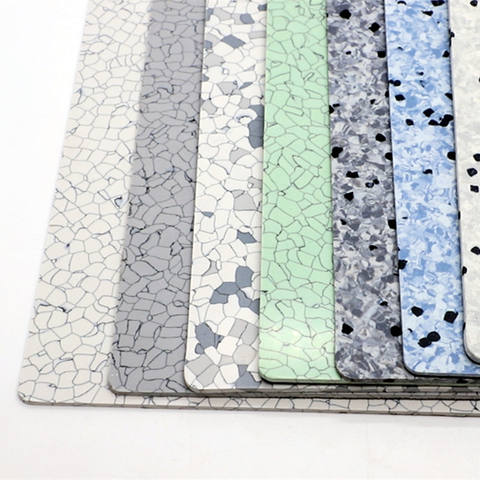
Modern ESD PVC flooring combines reliable electrostatic performance with durability, easy maintenance, and flexible installation options.
Compared with other flooring materials, ESD PVC flooring offers:
Stable electrical resistance
Long service life
Excellent wear resistance
Easy cleaning and maintenance
Multiple colors and patterns
Tile and roll formats
Cost-effective installation
Suitable for electronics, SMT, semiconductor, laboratory, and cleanroom environments
Not necessarily. Conductive flooring offers faster charge dissipation, while static dissipative flooring provides controlled discharge that is suitable for most electronics manufacturing environments.
The required resistance depends on your ESD control program and industry standards. Conductive flooring typically ranges from 10⁴ to 10⁶ Ω, while static dissipative flooring generally ranges from 10⁶ to 10⁹ Ω.
Some semiconductor facilities require conductive flooring, while others specify static dissipative systems. Always follow the project's engineering specifications and applicable ESD standards.
Yes. Proper grounding is essential for any ESD flooring system. Flooring performance depends not only on the material itself but also on correct installation using conductive adhesive, grounding points, and appropriate testing.
Both conductive flooring and static dissipative flooring play important roles in electrostatic protection. The best choice depends on your production environment, the sensitivity of your products, and the requirements of your ESD control program.
For most electronics manufacturing facilities, static dissipative PVC flooring offers an excellent combination of performance, durability, and cost-effectiveness. Facilities handling highly sensitive semiconductor devices may require conductive flooring with lower electrical resistance.
By understanding these differences, you can select an ESD flooring solution that provides reliable protection, supports compliance with industry standards, and contributes to long-term operational efficiency.
Learn More: What is ESD PVC Flooring
 Hot News
2026-07-29
2026-07-28
2025-06-27
2025-06-24
2025-06-16

Herzesd is a professional supplier of full-range ESD products and custom static protection for electronics, labs, and industrial environments.
Floor 2, No.70, Licheng Road, Pudong District, Shanghai
Copyright © Shanghai Herzesd Industrial Co., Ltd All Rights Reserved Privacy Policy Blog
 EN
EN