 EN
EN

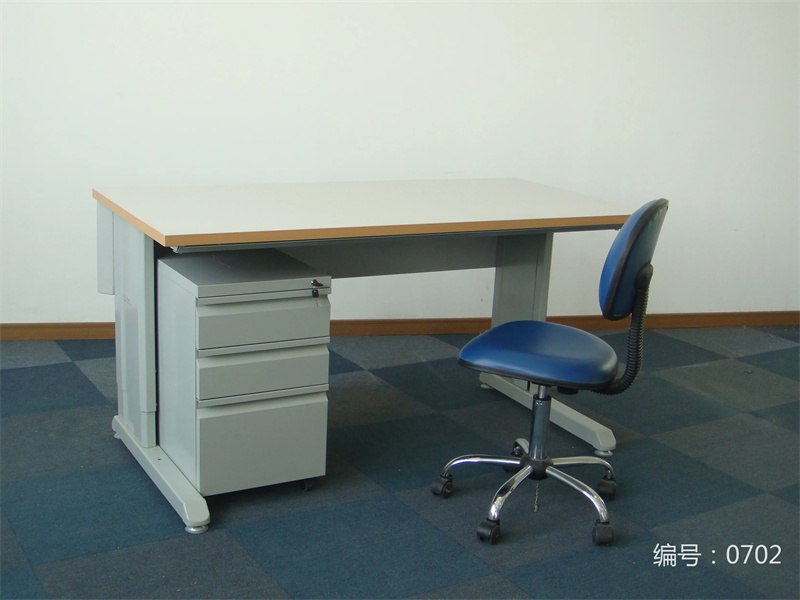
Microchips are one of the most delicate parts of the electronics manufacturing process. These small, complex items can be damaged by static electricity that can't be seen or felt. These sensitive components require the proper protection they need by using a properly grounded ESD work table.
The Threat: Static Electricity and Microchips
Electrostatic discharge is the electrical current that flows between two objects that are charged with different electricity. This can be a critical risk with sensitive microchips. Every day, a static charge can develop from a variety of activities such as walking across a floor, removing plastic packaging, or even moving in a chair .
When this stored charge is released into a microchip it can lead to failure, potentially even on the spot, or, more subtly, cause latent faults to occur. If a component fails in the field because it is weak due to ESD, it can result in product returns and reputation damage. In the U.S. alone, the industry losses due to ESD amount to more than $5 billion per year. Manufacturers of sensitive electronics cannot afford to not control ESD.
The Solution: Grounding and the ESD Work Table
The base element of a safe workstation is a grounded ESD work table.A grounded ESD work table is the "base element" of a safe workstation. The idea is simple: to provide a direct, safe connection to the earth for static electricity to flow through without passing through sensitive parts. The first line of defense against this invisible threat is an ESD work table. It helps to guarantee that static is redirected away from the work surface and not into the microchip when a charged person or tool comes in contact with the work surface.
A good ESD table has a static dissipative work surface. It has a specific surface resistance of 10⁶ to 10⁹ ohms, just right for controlling static discharge . This enables static to bleed off gradually and safely to a ground connection rather than build up and discharge quickly in the component.
The Complete Grounding System
A grounded ESD work table is not a stand-alone feature. It is the heart of a whole and complete ESD Protected Area (EPA). All the elements in this workspace should be at the same potential. This is accomplished by means of a Common Point Ground (CPG) between the work surface, the operator, and other tools and equipment to a common earth ground.
The wrist strap is connected to the grounding point on the work table and provides grounding for the operator. The work table is grounded through a protective earth by a ground cord. This common point is also connected to other tools and equipment, making everything in the workspace at the same potential. As long as all components are at the same potential, there is no voltage difference and static cannot discharge through a sensitive component.
Compliance and Industry Standards
A properly earthed ESD work table is also a matter of compliance with regulations. There are industry standards, including ANSI/ESD S20.20 and IEC 61340-5-1, that have set some very stringent requirements for ESD control in electronics manufacturing. All conductors within an ESD protected area, such as a work surface and personnel, must be grounded as per these standards.
By implementing an ESD work table grounded to the standards outlined above, a company can ensure they are compliant, avoiding potentially costly product failures and ensuring their clients are safe by the company's commitment to quality. Compliance with ANSI/ESD S20.20 is an integral component of mission critical electronics manufacturers' operations.
Shanghai Herzesd Industrial Co., Ltd. manufactures a complete line of ESD work tables that satisfy the high demands of electronics manufacturing. Herzesd has more than 10 years experience in international trade and is able to supply trustworthy ESD protection products that ensure a safe, compliant and efficient working environment. ESD work tables are specially designed to comply with ANSI/ESD S20.20 standards with proper grounding integration and static-dissipative surfaces. Please give us a call to talk about your ESD workbench requirements.